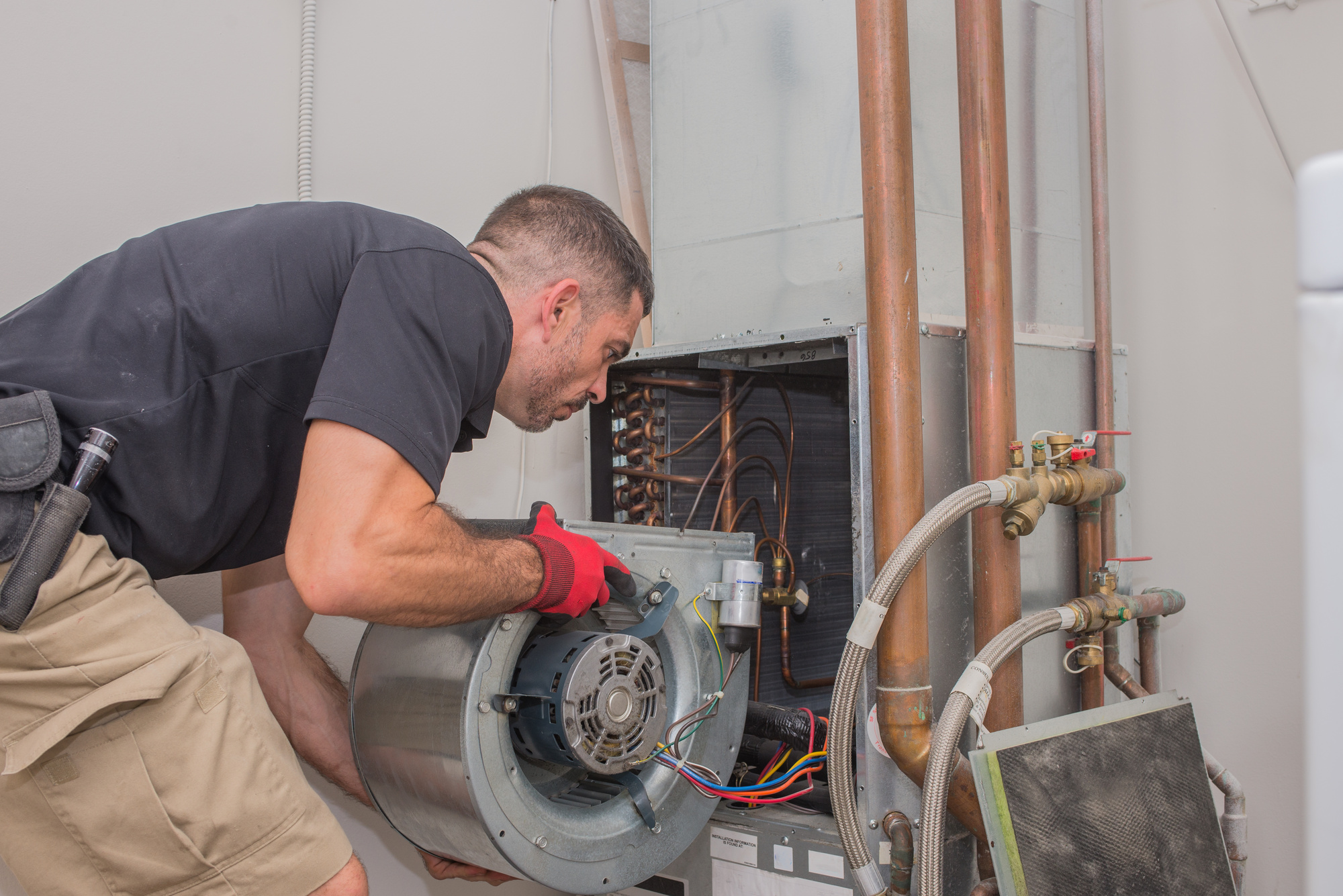
A basic HVAC checkup includes replacing your air filter, inspecting your outdoor condenser, watching for signs of refrigerant problems, and looking for visible electrical issues. Homeowners can safely handle filter changes and visual inspections, but refrigerant leaks, damaged wiring, and system performance problems should always be handled by a licensed HVAC professional.
Your HVAC system does a lot of heavy lifting in East Texas. Long cooling seasons, humidity, dust, and outdoor debris can all make your system work harder than it should.
The good news is that you do not have to be an HVAC technician to notice when something is wrong. A simple checkup can help you catch small problems early, improve airflow, and protect your system from unnecessary wear.
In this guide, we’ll walk through three HVAC maintenance steps every homeowner should know: checking for refrigerant warning signs, inspecting the outdoor unit and electrical components, and replacing your air filter.
How Can You Tell If Your HVAC System Has Low Refrigerant?
Your air conditioner needs the right refrigerant level to cool your home properly. Refrigerant helps absorb heat from inside your house and move it outside. When the level is low, your system may run longer, cool less effectively, and put extra strain on major components.
Homeowners should not try to refill refrigerant themselves. Refrigerant requires proper equipment, training, and licensing. What you can do is watch for signs that something may be wrong.
Common signs of low refrigerant include:
- Warm air coming from your vents
- Weak cooling, even when the system runs often
- Ice forming on the refrigerant lines or the indoor coil
- Hissing or bubbling sounds near the AC unit
- Higher energy bills without a clear reason
- Longer cooling cycles than usual
- Rooms that feel humid or uncomfortable
Low refrigerant often indicates a leak. Adding more refrigerant without fixing the leak does not solve the problem. It can also lead to more expensive repairs later.
If you notice any of these warning signs, schedule service with Alco Air. Our technicians can inspect the system, find the source of the problem, and recommend the right repair.
What Should You Inspect on the Outdoor HVAC Unit?
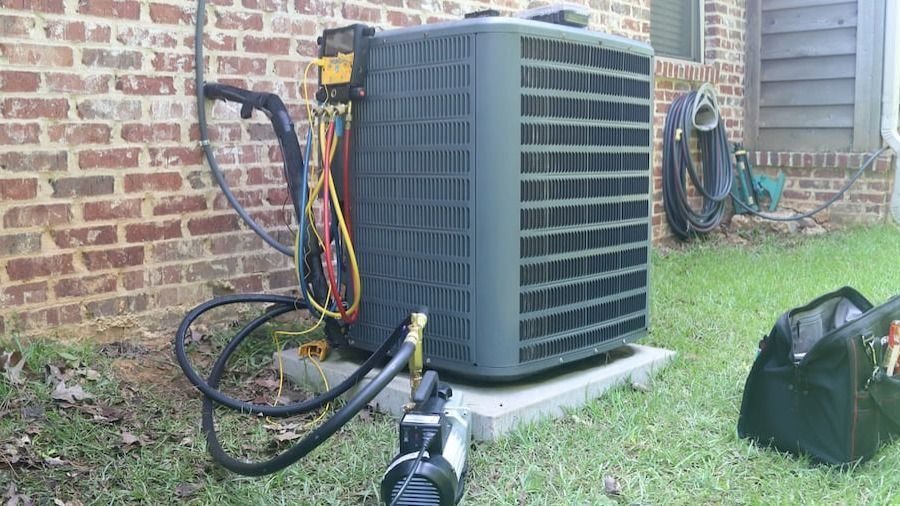
Your outdoor condenser is easy to overlook, but it plays a major role in keeping your home comfortable. Since it sits outside all year, it can collect grass clippings, leaves, dirt, branches, and other debris.
Start with a simple visual check. Walk around the unit and make sure there is clear space for airflow. If the area around the condenser is blocked, your system may struggle to release heat.
During your inspection, look for:
- Leaves, weeds, grass, or branches around the outdoor unit
- Dirt or buildup on the condenser fins
- Bent or damaged fins
- Ice on the refrigerant lines
- Oily residue near refrigerant connections
- Unusual rattling, buzzing, grinding, or humming sounds
- Burnt smells near the unit
- Loose-looking wires or damaged electrical parts
You can safely clear light debris around the outside of the unit, but do not remove panels or touch electrical components. If you see damaged wiring, hear buzzing, smell something burning, or notice anything that looks unsafe, leave it alone and call a professional.
Electrical issues can create safety hazards and damage the system. A trained HVAC technician can inspect connections, test components, and make sure the unit is operating safely.
How Often Should You Replace Your HVAC Air Filter?
Replacing your air filter is one of the easiest and most important HVAC maintenance tasks you can do yourself. A dirty filter restricts airflow, makes your system work harder, and can affect indoor air quality.
Most homeowners should check the air filter once a month. Depending on your home, pets, dust levels, and how often your system runs, you may need to replace it every 30 to 90 days.
You may need to replace your filter more often if:
- You have pets in the home
- Someone in your household has allergies or asthma
- Your HVAC system runs frequently
- Your home gets dusty quickly
- You recently completed remodeling or construction
- You notice weak airflow from the vents
- Your filter looks gray, clogged, or dirty
When replacing the filter, make sure you use the correct size. You should also check the airflow arrow on the side of the filter and install it in the proper direction.
A clean filter helps your system breathe. It improves airflow, helps reduce dust, and can make your HVAC system run more efficiently.
What HVAC Maintenance Can Homeowners Safely Do?
A homeowner checkup is helpful, but it is important to know where to draw the line. Some tasks are simple and safe. Others should be handled by a licensed HVAC professional.
Homeowners can usually handle:
- Replacing the air filter
- Clearing leaves and debris around the outdoor unit
- Checking thermostat settings
- Looking for ice, leaks, or unusual buildup
- Listening for strange noises
- Noticing weak airflow or uneven temperatures
- Keeping vents open and unblocked
Call a professional for:
- Refrigerant leaks or low refrigerant
- Electrical issues
- Damaged wiring
- Burnt smells
- Frozen coils
- Water leaking around the indoor unit
- Loud or unusual system noises
- AC repairs
- Deep coil cleaning
- Annual HVAC maintenance
Visual inspections are useful because they help you spot problems early. Professional maintenance goes further. A technician can test system performance, check refrigerant pressure, inspect electrical components, clean key parts, and catch issues that are easy to miss.
When Should You Schedule a Professional HVAC Checkup?
You should schedule professional HVAC maintenance at least once a year. In East Texas, where air conditioners often run for long stretches, it is smart to have your system checked before the hottest part of the year.
You should also schedule service if you notice:
- Your AC runs constantly but does not cool well
- Some rooms feel warmer than others
- Airflow from the vents feels weak
- Your energy bill suddenly increases
- You hear grinding, rattling, buzzing, or banging
- You smell something musty or burnt
- Ice forms on the system
- Water appears around the indoor unit
- Your thermostat does not seem accurate
These are signs that your system needs more than a quick homeowner checkup.
Schedule Your HVAC Checkup With Alco Air
A basic HVAC checkup can help you keep your system cleaner, safer, and more efficient. Replacing your air filter, clearing debris around the outdoor unit, and watching for refrigerant or electrical warning signs are simple steps that can make a real difference. But when your system shows signs of trouble, do not guess. Refrigerant problems, electrical issues, weak cooling, and unusual noises should be handled by a licensed HVAC professional.
Alco Air is here to help keep your home comfortable year-round. Whether you need routine maintenance, AC repair, or a full system inspection, our team is ready to get your HVAC system back on track.
Schedule your HVAC checkup with Alco Air today and make sure your system is ready for the season ahead.