A water leak can start small but lead to wasted water and damage to flooring, cabinets, drywall, ceilings, or other parts of your home. While some leaks are easy to spot, others can remain hidden behind walls, beneath floors, or underground.
Fortunately, homeowners can perform several basic checks to determine whether unexplained water use may be coming from a leak. To find a water leak in your home, start by checking the water meter, inspect your home for visible signs of moisture, examine plumbing fixtures and appliances, check outdoor areas, and call for professional leak detection when the source remains hidden.
Here are five steps that can help Longview and East Texas homeowners track down a potential plumbing leak.
1. Check Your Water Meter for Unexplained Water Use
Your water meter is one of the best places to start when you suspect a hidden water leak.
Before checking it, make sure your household is not intentionally using water. Turn off faucets and make sure the washing machine, dishwasher, irrigation system, and other water-using equipment are not operating. Do not flush toilets during the test.
Locate your water meter and record the reading. Depending on the type of meter, you may also see a flow or leak indicator.
Wait for a period without using any water, then check the meter again. If it registers additional water use, water may be flowing somewhere in the plumbing system.
Does a Moving Water Meter Always Mean You Have a Leak?
Not necessarily.
Automatic equipment, irrigation systems, water treatment equipment, and other devices may use water without someone actively turning on a faucet. Make sure these possible sources are accounted for before assuming you have a leak.
If the meter continues to register unexplained usage after known water use has been eliminated, further investigation is a good idea.
A water meter can tell you that water is moving through the system, but it cannot tell you exactly where the problem is located.
2. Look for Signs of a Hidden Indoor Water Leak
Once you have reason to suspect a leak, walk through your home and look for signs of moisture.
Start with walls and ceilings. Water traveling from a leaking pipe may produce:
- Yellow or brown stains
- Bubbling or peeling paint
- Soft drywall
- Sagging ceiling material
- Unexplained damp areas
- Persistent musty odors
Remember that where you see water damage is not necessarily where the leak started. Water can travel along pipes, framing, or other building materials before becoming visible.
Check Cabinets, Floors, and Plumbing Areas
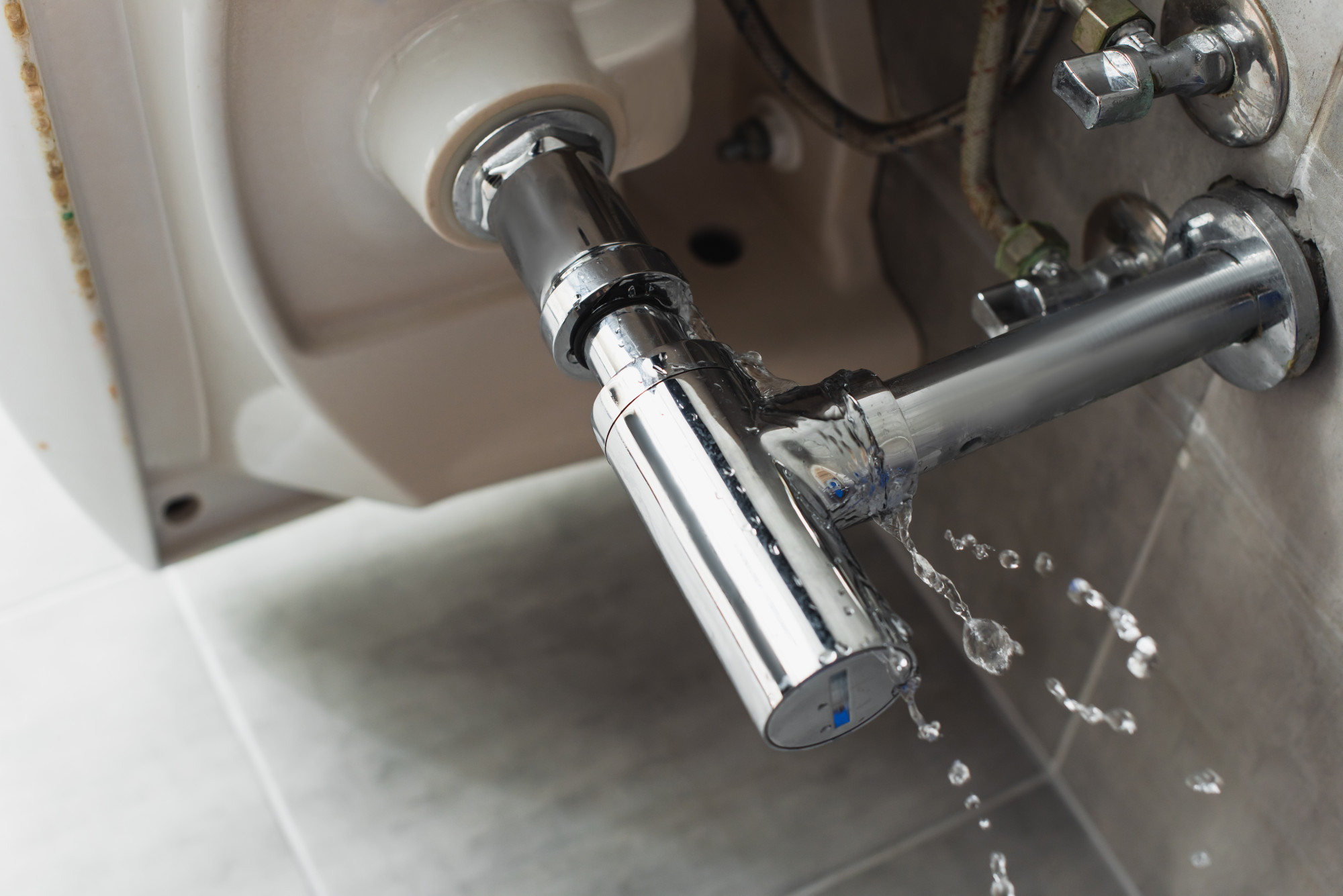
Look underneath kitchen and bathroom sinks for moisture, staining, corrosion, or water around supply connections.
Inspect flooring around toilets, tubs, showers, water heaters, and other plumbing fixtures. Warped flooring, loose materials, or persistent dampness may indicate a problem nearby.
You can also listen when the house is quiet. If you hear dripping or running water when no fixtures or appliances are operating, a hidden leak may require further investigation.
3. Check Toilets, Faucets, and Appliances for Leaks
Not every water leak is hidden behind a wall or beneath a slab. Fixtures and water-using appliances are another important place to check.
Test Your Toilets for Silent Leaks
A toilet can leak from the tank into the bowl without leaving water on the bathroom floor.
One simple way to check is to add a few drops of food coloring to the toilet tank. Do not flush. After waiting approximately 20 to 30 minutes, check the toilet bowl.
If colored water has entered the bowl, water is passing from the tank when it should not be.
The problem may involve the flapper, flush valve, or another toilet component. The exact repair depends on the toilet design and condition.
Inspect Faucets and Plumbing Fixtures
Check faucets for persistent dripping and inspect accessible supply connections for moisture.
Do not assume every dripping faucet simply needs a new washer. Modern faucets use several designs, including cartridges, ceramic discs, balls, and compression components. The correct repair depends on the fixture.
Check Water-Using Appliances
Inspect areas around:
- Washing machines
- Dishwashers
- Refrigerators with water connections
- Water heaters
Look for moisture, puddles, corrosion, staining, or damaged supply hoses. A small appliance connection leak can remain unnoticed if it occurs behind or underneath equipment.
4. Look for Signs of an Outdoor Water Leak
If you cannot find an obvious problem indoors, take your inspection outside.
Start with hose bibbs, outdoor faucets, irrigation equipment, and other accessible water connections. Look for dripping fixtures, damaged connections, or water accumulating where it normally should not.
Then inspect the yard.
Potential signs of an underground water leak can include:
- Persistently soggy soil
- Unexplained puddles
- Erosion
- Water surfacing from the ground
- An unusually green patch of grass
- Moisture along the expected route of a buried water line
These signs do not automatically mean you have an underground plumbing leak. Rainfall, drainage issues, irrigation, landscaping, and soil conditions can create similar symptoms.
This is particularly important when diagnosing outdoor water problems in East Texas, where weather and drainage conditions can influence soil moisture.
If unusual outdoor moisture appears alongside unexplained water meter activity, however, professional leak detection may be appropriate.
5. Have a Hidden or Underground Leak Professionally Located
Some water leaks simply cannot be found through a visual inspection.
Leaks may occur:
- Behind walls
- Beneath flooring
- Above ceilings
- Under concrete slabs
- Along buried water service lines
- Inside other inaccessible plumbing areas
If your water meter shows unexplained usage but you cannot identify the source, a plumber can perform additional diagnostic testing.
Depending on the plumbing system and suspected leak location, professional leak detection may involve specialized listening equipment, pressure testing, line isolation, thermal imaging, or other diagnostic methods.
The goal is to narrow down the location and cause before determining the appropriate repair.
Homeowners should also be cautious about using the main water shutoff as a universal test for deciding whether a leak is indoors or outdoors. The relationship between the water meter, shutoff valve, service line, and home varies by property. A plumber can isolate parts of the system when necessary to determine where water is being lost.
How Do You Know If You Have a Slab Leak?
A slab leak occurs when plumbing beneath or within a home’s concrete slab develops a leak.
Possible signs include:
- Unexplained water meter activity
- Higher-than-normal water usage
- Warm areas on the floor
- Damp or damaged flooring
- Sounds of running water
- Water appearing near the foundation
- Unexplained indoor moisture
None of these symptoms confirms a slab leak on its own. For example, warm flooring may have causes unrelated to plumbing, while water near a foundation could result from drainage or weather.
Professional testing can help determine whether plumbing beneath the slab is actually responsible.
Does a High Water Bill Mean You Have a Leak?
An unexplained increase in water usage can indicate a plumbing leak, but a higher water bill alone does not confirm one.
Household water consumption can change because of irrigation, guests, seasonal habits, additional laundry, or other changes. Utility rates can also affect the amount you pay without changing the amount of water you use.
When possible, compare the actual water usage shown on recent bills rather than looking only at the dollar amount.
If your usage has increased without an obvious explanation, performing the water meter test is a practical next step.
When Should You Call a Plumber for a Water Leak?
Some visible fixture problems may have straightforward solutions, but hidden leaks require more careful diagnosis.
Contact a professional plumber if you have:
- Unexplained water meter activity
- A suspected underground leak
- Signs of a slab leak
- Water damage without a visible source
- A leaking pipe behind a wall or ceiling
- Significant or recurring plumbing leaks
- Water near electrical equipment
- A leak you cannot confidently locate
If an active leak is releasing significant amounts of water, shut off the appropriate water supply if you can safely access it and contact a plumber. Avoid areas where water is contacting electrical equipment.
Why Shouldn’t You Ignore a Small Water Leak?
Even a relatively small leak can continue wasting water until it is repaired. Depending on its location, ongoing moisture can also damage cabinets, flooring, drywall, insulation, and other building materials.
Finding the source early may help limit the area affected and prevent the plumbing problem from becoming more complicated.
That does not mean every drip requires extensive repairs. The important step is determining where the water is coming from and fixing the actual cause.
Find Hidden Water Leaks With Alco Air
Learning how to find a water leak starts with a few simple checks. Watch your water meter for unexplained usage, inspect walls and ceilings, check toilets and fixtures, look around water-using appliances, and examine your yard for unusual moisture.
If these steps suggest a leak but you still cannot locate the source, professional testing can help determine what is happening without relying on guesswork.
If you suspect a hidden, underground, or slab water leak in your Longview or East Texas home, contact Alco Air for professional leak detection and plumbing service.