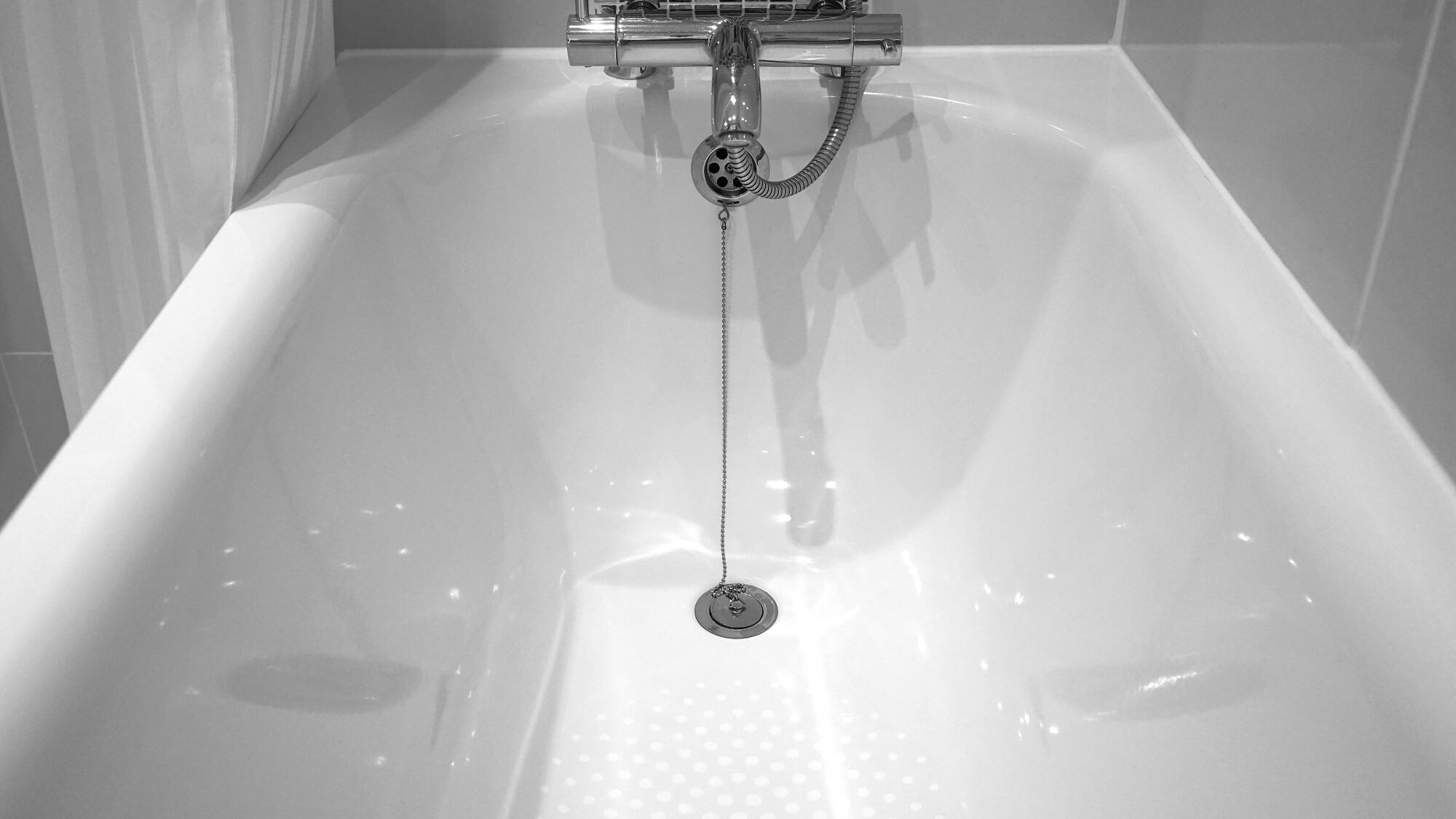
A leaking bathtub faucet is usually caused by a worn washer, damaged cartridge, loose handle parts, bad O-ring, mineral buildup, or a faulty valve seat. To fix it, turn off the water, remove the faucet handle, inspect the stem or cartridge, and replace worn parts. If the faucet still drips after replacing the washer or cartridge, call a licensed plumber because the leak may involve the valve seat, corrosion, or plumbing inside the wall.
A leaking bathtub faucet may seem like a small problem, but that steady drip can waste water, increase utility bills, stain your tub, and point to worn plumbing parts that need attention. In many homes, bathtub faucet leaks start slowly. You may notice a few drops after turning the handle off, a constant drip from the spout, or water leaking around the handle.
The most common cause is a worn internal part. Bathtub faucets rely on washers, cartridges, stems, O-rings, seals, and valve seats to control water flow. Over time, these parts can wear down, loosen, crack, or collect mineral buildup. When that happens, water can slip past the shutoff point and continue dripping.
At Alco Air, we help homeowners in Longview and throughout East Texas solve plumbing problems quickly and correctly. In this guide, we’ll explain why bathtub faucets leak, how to troubleshoot the issue, what homeowners can do to repair them, and when to call a plumber for professional repair.
What Causes a Bathtub Faucet to Drip?
A bathtub faucet drips when water gets past a part that should seal the flow. The exact cause depends on the faucet type, age, water quality, and condition of the internal components.
Common causes of a leaking bathtub faucet include:
- Worn washer: Rubber washers can flatten, crack, or wear down over time.
- Damaged cartridge: Cartridge-style faucets may leak when the cartridge wears out or fails.
- Bad O-ring: A worn O-ring can allow water to leak around the handle or internal parts.
- Faulty valve seat: The valve seat connects the faucet and spout. Corrosion or damage can cause dripping.
- Loose handle parts: Screws, stems, or packing nuts may loosen with repeated use.
- Mineral buildup: Hard water deposits can prevent parts from sealing properly.
- Worn stem assembly: Older compression faucets may leak when the stem assembly wears out.
- High water pressure: Excess pressure can stress faucet components and contribute to leaks.
- Improper previous repair: Using incorrect parts or poor installation can allow the leak to recur.
A faucet that drips from the bathtub spout often has an internal sealing issue. A faucet that leaks near the handle may involve the stem, cartridge, packing nut, or O-ring.
Can You Fix a Leaking Bathtub Faucet Yourself?
Some bathtub faucet leaks can be fixed by a careful homeowner, especially if the issue is a worn washer or a simple cartridge replacement. However, the repair depends on the faucet design and your comfort level with plumbing work.
A DIY repair may be reasonable if:
- You can shut off the water safely
- The faucet parts are easy to access
- You know the faucet type
- The leak is minor
- The parts are not badly corroded
- You have the right replacement washer or cartridge
- You feel comfortable removing and reinstalling faucet components
It is better to call a plumber if:
- The faucet parts are stuck or corroded
- You cannot identify the faucet type
- The leak continues after replacing parts
- Water is leaking behind the wall
- The handle or valve feels loose or damaged
- The faucet is old and difficult to disassemble
- You are worried about causing more damage
- The leak is getting worse
Bathtub plumbing can be more difficult than sink plumbing because some valves and connections are hidden inside the wall. If something breaks behind the wall, the repair can become more complicated.
What Should You Do Before Fixing a Leaking Bathtub Faucet?
Before you remove any faucet parts, shut off the water. This is the most important first step. Taking apart a faucet while the water is still on can cause water to spray, leak into the bathroom, or damage surrounding materials.
Before starting bathtub faucet repair:
- Turn off the water supply to the bathtub if local shutoff valves are available.
- If there are no local shutoff valves, turn off the main water supply to the home.
- Open the bathtub faucet to drain leftover water and relieve pressure.
- Cover the tub drain so small screws or parts do not fall in.
- Place a towel in the tub to protect the surface.
- Take a photo of the faucet before removing parts.
- Keep screws and small components organized.
- Make sure you have the correct replacement parts before reassembly.
Some bathtub faucets have visible screws. Others have decorative caps or hidden set screws. Take your time when removing trim pieces so you do not scratch the fixture or damage the handle.
How Do You Fix a Leaking Bathtub Faucet?
The basic repair process is similar for many bathtub faucets, but the exact parts may vary. Some faucets use washers and stems. Others use cartridges. If you are unsure which type you have, remove the parts carefully and bring the old component to a hardware store or call a plumber for help.
To fix a leaking bathtub faucet:
- Turn off the water supply.
- Shut off the water before removing the handle or internal faucet parts.
- Drain remaining water from the line.
- Turn the faucet on after the water is off so leftover water can drain out.
- Remove the faucet handle.
- Look for a decorative cap, screw, or set screw. Remove it carefully and pull the handle away from the wall.
- Remove the trim plate if needed.
- Some faucets require removing the trim to access the stem or cartridge.
- Loosen the packing nut or retaining clip.
- Depending on the faucet type, you may need a wrench or cartridge puller.
- Remove the stem or cartridge.
- Pull the internal component out carefully. Avoid forcing it if it feels stuck.
- Inspect washers, seals, and O-rings.
- Look for cracking, flattening, corrosion, or mineral buildup.
- Replace worn parts.
- Install the correct washer, O-ring, cartridge, or stem assembly.
- Clean mineral buildup.
- Gently clean buildup from accessible areas before reassembly.
- Reassemble the faucet.
- Put the parts back in the correct order and tighten them carefully.
- Turn the water back on slowly.
- Restore water pressure and check for leaks.
- Test the faucet.
- Turn the faucet on and off several times to confirm the drip has stopped.
Do not overtighten parts. Overtightening can damage washers, crack components, strip threads, or make the handle difficult to operate.
Is a Worn Washer Causing Your Bathtub Faucet to Leak?
A worn washer is one of the most common causes of a bathtub faucet drip, especially in older compression-style faucets. Every time the faucet is turned on and off, the washer presses against the valve seat. Over time, that repeated pressure can wear down the washer.
Signs of a worn washer include:
- Dripping from the bathtub spout
- Drip gets worse over time
- Handle must be tightened firmly to stop water
- Faucet squeaks or feels stiff
- Washer looks cracked, flattened, or brittle
- Leak returns soon after the faucet is turned off
Replacing the washer may stop the leak if the valve seat is still in good condition. If the valve seat is damaged or corroded, a new washer may not seal properly. In that case, the faucet may continue to drip and require professional repair.
Is the Cartridge Causing Your Bathtub Faucet Leak?
Many modern bathtub faucets use a cartridge rather than a traditional washer-and-stem assembly. The cartridge controls water flow and temperature. When it wears out, cracks, or becomes clogged with mineral deposits, the faucet may leak.
A faulty cartridge may cause:
- Dripping from the tub spout
- Water leaking around the handle
- Difficulty turning the faucet on or off
- Trouble controlling water temperature
- Uneven hot and cold water flow
- A handle that feels loose or rough
- Leaking continues after tightening the handle
Cartridge replacement can be straightforward in some faucets, but stuck cartridges are common. If the cartridge does not come out easily, forcing it can damage the valve body. A plumber can remove the old cartridge safely and install the correct replacement.
Can Mineral Buildup Make a Bathtub Faucet Leak?
Yes. Mineral buildup from hard water can prevent faucet parts from sealing correctly. East Texas homes can experience mineral deposits depending on the local water supply and plumbing conditions. Over time, these deposits can collect around washers, cartridges, valve seats, and aerators.
Mineral buildup can cause:
- Dripping after the faucet is turned off
- Stiff or difficult handle movement
- Reduced water flow
- Uneven water pressure
- Corrosion around faucet parts
- Shorter lifespan for washers and cartridges
If mineral buildup is minor, cleaning accessible parts may help. If the buildup is heavy or the faucet parts are corroded, replacement may be the better option.
Why Is Water Leaking Around the Bathtub Faucet Handle?
Water leaking around the handle usually means that an internal seal, O-ring, packing nut, or cartridge is failing. This type of leak may happen only when the water is running, or it may continue after the faucet is turned off.
Handle leaks may be caused by:
- Loose packing nut
- Worn O-ring
- Damaged cartridge
- Worn stem assembly
- Cracked handle components
- Corroded internal parts
- Improperly installed replacement parts
A small handle leak can send water behind the trim plate or into the wall opening. That can create hidden moisture problems if ignored. If you see water near the handle or wall plate, schedule plumbing repair quickly.
What If the Bathtub Faucet Still Leaks After Replacing Parts?
If your bathtub faucet still leaks after replacing the washer, cartridge, or O-ring, the problem may be deeper than the first visible part. Continuing to replace parts without finding the cause can waste time and money.
A persistent bathtub faucet leak may involve:
- Damaged valve seat
- Corroded valve body
- Incorrect replacement part
- Misaligned cartridge
- Worn stem assembly
- High water pressure
- Cracked faucet component
- Plumbing issue behind the wall
- Improper installation
- Older fixture that needs replacement
At this point, it is best to call a licensed plumber. A professional can inspect the faucet, confirm the source of the leak, and determine whether repair or replacement is the right solution.
When Should You Call a Plumber for a Leaking Bathtub Faucet?
You should call a plumber if the leak continues, if parts are stuck, or if there is any sign that water may be getting behind the wall. Bathtub faucet leaks can waste water, damage finishes, and cause moisture problems if not repaired properly.
Call a plumber if:
- The faucet keeps dripping after DIY repair
- The handle leaks when water is running
- The faucet parts are corroded or stuck
- You cannot shut off the water locally
- Water appears behind the wall plate
- The leak is getting worse
- The faucet is old or difficult to identify
- You hear water running when fixtures are off
- The tub spout leaks constantly
- You are not sure which replacement part to use
- You want the fixture replaced instead of repaired
A professional repair helps prevent repeat leaks and protects the plumbing behind your bathroom wall.
How Can You Prevent Bathtub Faucet Leaks?
Not every leak can be prevented, but regular attention can help extend the life of your bathtub faucet and reduce plumbing problems.
To help prevent bathtub faucet leaks:
- Do not overtighten faucet handles
- Replace worn parts before leaks get worse
- Address hard water or mineral buildup
- Fix small drips quickly
- Avoid forcing stiff handles
- Schedule plumbing service for recurring leaks
- Replace older fixtures when repairs become frequent
- Watch for water around the handle or wall plate
- Use the correct replacement parts for your faucet model
A small drip may not seem urgent, but plumbing leaks usually do not fix themselves. The sooner you address the problem, the easier the repair may be.
Schedule Bathtub Faucet Repair in Longview, TX
A leaking bathtub faucet is more than an annoyance. It can waste water, raise utility costs, stain your tub, and signal worn plumbing parts that need repair. If replacing a washer or cartridge does not stop the leak, or if you are not comfortable taking the faucet apart, Alco Air can help.
Do not let a small drip turn into a bigger plumbing problem. Contact Alco Air today and get expert plumbing service for your Longview or East Texas home.